

Layer Transition Lifecycle for CSS
The CSS classes that mark each stage of a layer’s transition.
GSAP Animations with Visual Radio Graphics
Animate your Visuals with GSAP from the Designer’s custom JS.
CSS Selectors
Default selectors:-
.canvas .layerCanvas wrapper with reference to the layers
.layerWraps layer, with Layer’ CSS Selector applied-
# ID Selectorfor Layer (customizable)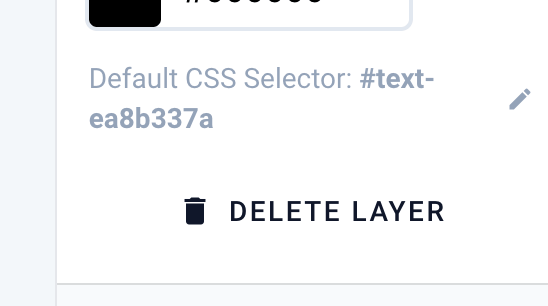
-
.type-{type}→ contains layer type (.layer.type-text= a text layer)schedulingmediatextmediahtmlsnippet
-
- Text
.h1-.h6+.pare classes that are added to the layer element
Customize Visual
Header HTML
Add libraries to your Output Included Libraries by defaultTailwind CSS (CSS styling)- GSAP
Body Javascript
Raw Javascript to be added at the end of the Body Events To integrate your custom logic with the described Layer transition states (see Designer) Events are dispatched onactivation and hide events.
When an layer is activated the layer-activated event is triggered on the .layer HTML element. When hidden the layer-hidden event is triggered:
Body-end HTML
HTML code (CSS, etc.) that is added to the end of the body (js wont be evaluated, script tags will)
Adding animations for yet to be rendered elements
Custom CSS
Appended at the end of theheader after Header HTML .